

We're Here to Assist You
Rodent Prevention: A Recent Job & Some Homeowner Tips
Category: Holiday
Published: 10 September, 2026
By Rick, Owner, Ace Ventura Pest & Wildlife Control
What I Walked Into
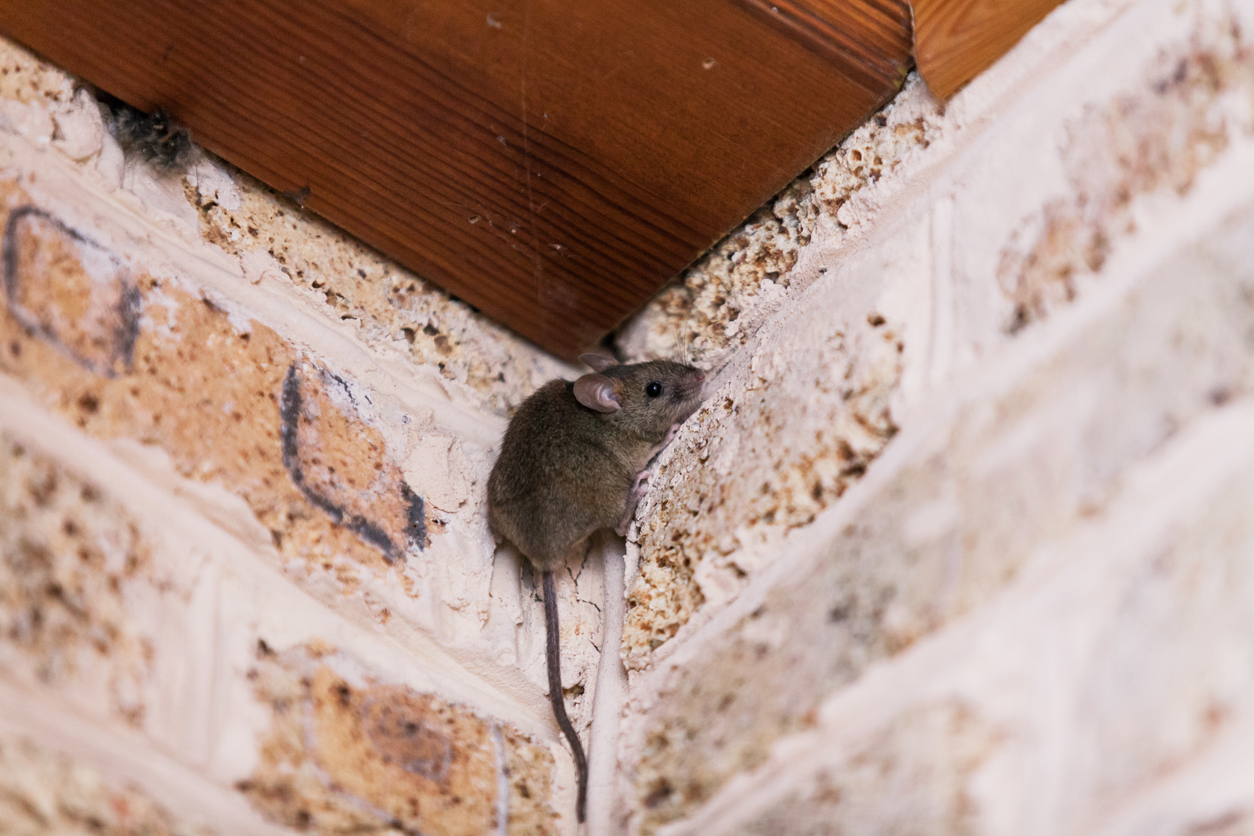
A Folsom homeowner recently called me after finding small droppings along the wall of the garage. They had also heard occasional scratching after dark but could not determine whether the sound was coming from the garage, attic or an exterior wall.
The home was clean and well maintained, which is something I see frequently. Rodent activity does not automatically mean a property is dirty. Mice and rats are looking for food, water and shelter, and a small opening can be enough to let them inside.
When I arrived, I inspected the garage first and then worked my way around the exterior. My goal was not only to confirm rodent activity but also to understand how the animals were getting in and what was encouraging them to stay.
The Problem
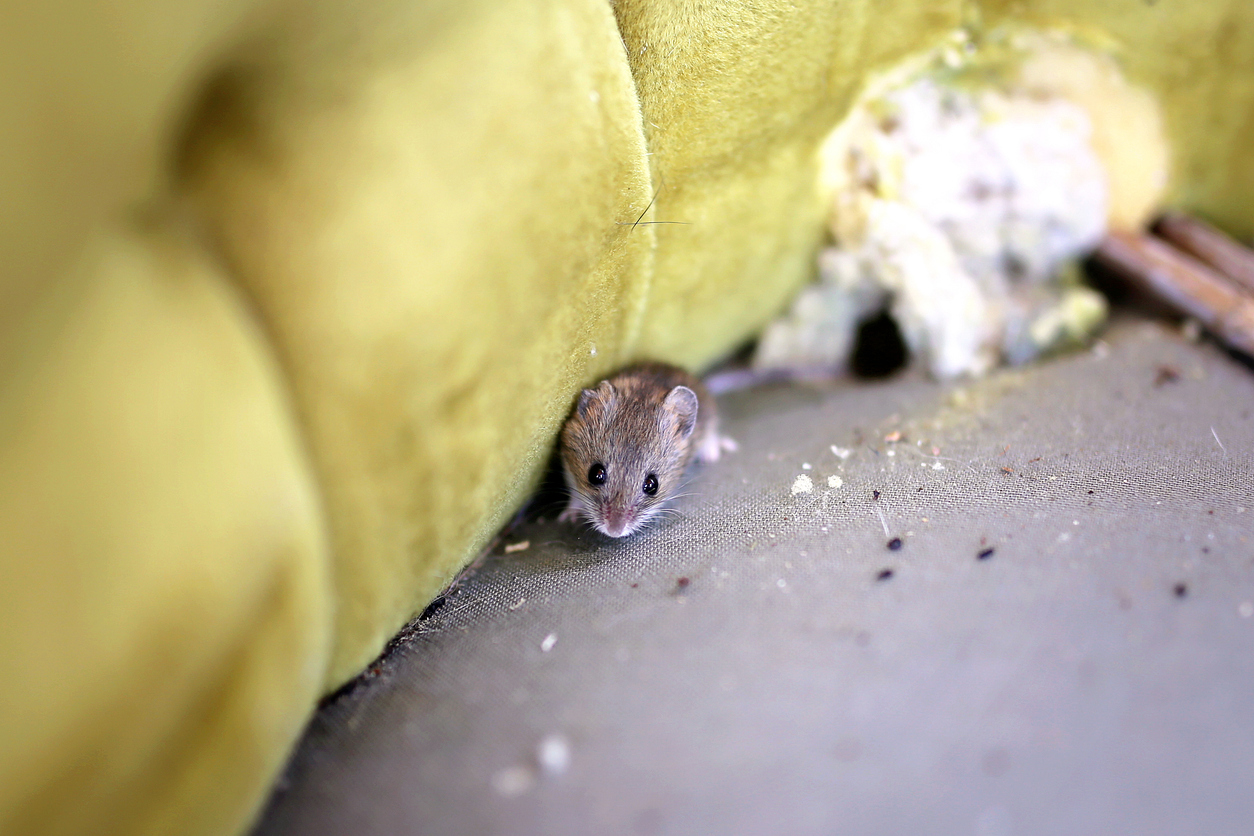
The homeowner had several conditions that looked minor but created an opportunity for rodents:
A worn garage-door corner seal left a small gap.
Pet food was stored in its original bag.
Cardboard boxes provided protected hiding spaces.
Vegetation touched part of the roofline.
A utility opening had enough space around it for a small rodent to investigate.
The droppings were concentrated behind stored items and near the pet-food area. That pattern suggested the garage was providing both shelter and a dependable food source.
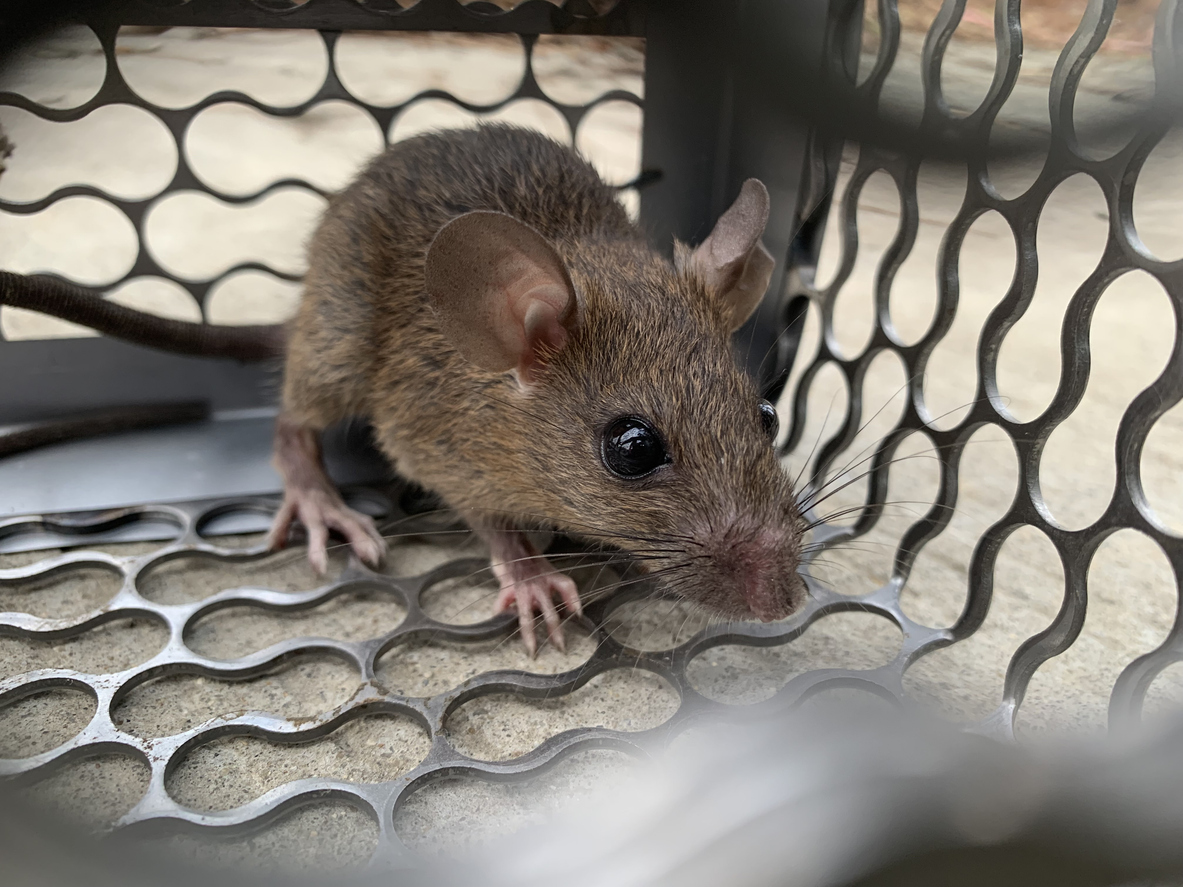
The homeowner had placed a trap in the middle of the garage but had not caught anything. Rodents commonly travel close to walls and protected edges, so placement matters just as much as the type of device being used.
The Process
I began by documenting the signs and identifying the most likely travel routes. I inspected wall edges, the garage door, utility penetrations, storage areas, the attic access and the exterior foundation.
Next, we addressed the accessible entry conditions included in the service plan. Appropriate exclusion materials were used where needed, and I recommended replacing the damaged garage-door seal.
I placed suitable control devices in secured locations based on the activity pattern. I avoided placing them where pets or children could reach them.
The homeowner moved the pet food into a durable container with a tight-fitting lid. We also reorganized several boxes so that the garage perimeter could be inspected and monitored more easily.
Finally, I recommended trimming the vegetation away from the roofline. Branches and climbing plants can provide rodents with a convenient route toward upper openings.
The Outcome
During the monitoring period, the rodent activity decreased, and no fresh droppings appeared after the entry conditions and food source were addressed.
The homeowner also noticed that the nighttime scratching stopped. At follow-up, the garage was easier to inspect, the pet food was secured and the damaged seal had been replaced.
What made the biggest difference was treating the property as a complete system. Trapping alone might have removed an individual rodent, but the next one could have entered through the same gap. Exclusion, sanitation and monitoring worked together to reduce recurring activity.
"It's brighter than before!"
— Megan
DIY Advice
Here are the rodent-prevention steps I recommend for homeowners:
Store pet food, bird seed and dry goods in sealed containers.
Inspect the lower corners of garage doors for light or gaps.
Avoid leaving pet food out overnight.
Reduce cardboard and unnecessary clutter.
Keep stored items raised and away from walls when possible.
Trim branches and vegetation away from the roof.
Check vents, utility openings and foundation gaps.
Clean spilled seed beneath bird feeders.
Wear gloves and avoid sweeping or vacuuming dry rodent droppings.
Call a professional when activity is inside walls, ceilings or inaccessible spaces.
When cleaning a small amount of droppings, follow current public-health guidance.
Ventilate the space, use appropriate protective equipment, wet the material with a suitable disinfectant and avoid creating airborne dust.
Professional Insight
The most important part of rodent prevention is finding the route into the structure. Mice can investigate surprisingly small openings, and roof rats are strong climbers that may access a home above ground level.
I look for more than holes. Rub marks, droppings, gnawing, nesting material and repeated travel paths can help reveal how the property is being used.
Traps may address rodents that are already inside, but they do not repair the opening. Exclusion without monitoring can also be risky if an animal is accidentally sealed inside. The order of the work matters.
A thorough plan usually combines inspection, control, exclusion, sanitation and follow-up.
Closing Thoughts
The lesson from this recent job was simple: the homeowner did not have one major problem. They had several small conditions working together.
A worn seal provided access, unsecured pet food provided a reward and stored boxes provided shelter. Once those conditions were corrected, the garage became a much less attractive place for rodents.
If you find droppings or hear scratching, do not focus only on the spot where you noticed the activity. The rodent may be entering somewhere completely different.
Take a careful look around the entire property, or have someone inspect it before the activity spreads.
– Rick
Stay safe, stay connected, and take good care of your home this month.
– Thomas
Owner, Thomas & Sons Electrical Contractors
Address
785 Orchard Dr #250, Folsom, CA 95630, United States
Contact Us
Call: +1 916-866-7472
Follow Us

© 2025 Ace Ventura Pest & Wildlife Control. All rights reserved.