

We're Here to Assist You
Wasp Nest Removal: A Recent Job & Some Homeowner Tips
Category: Holiday
Published: 06 August, 2026
By Rick, Owner, Ace Ventura Pest & Wildlife Control
What I Walked Into
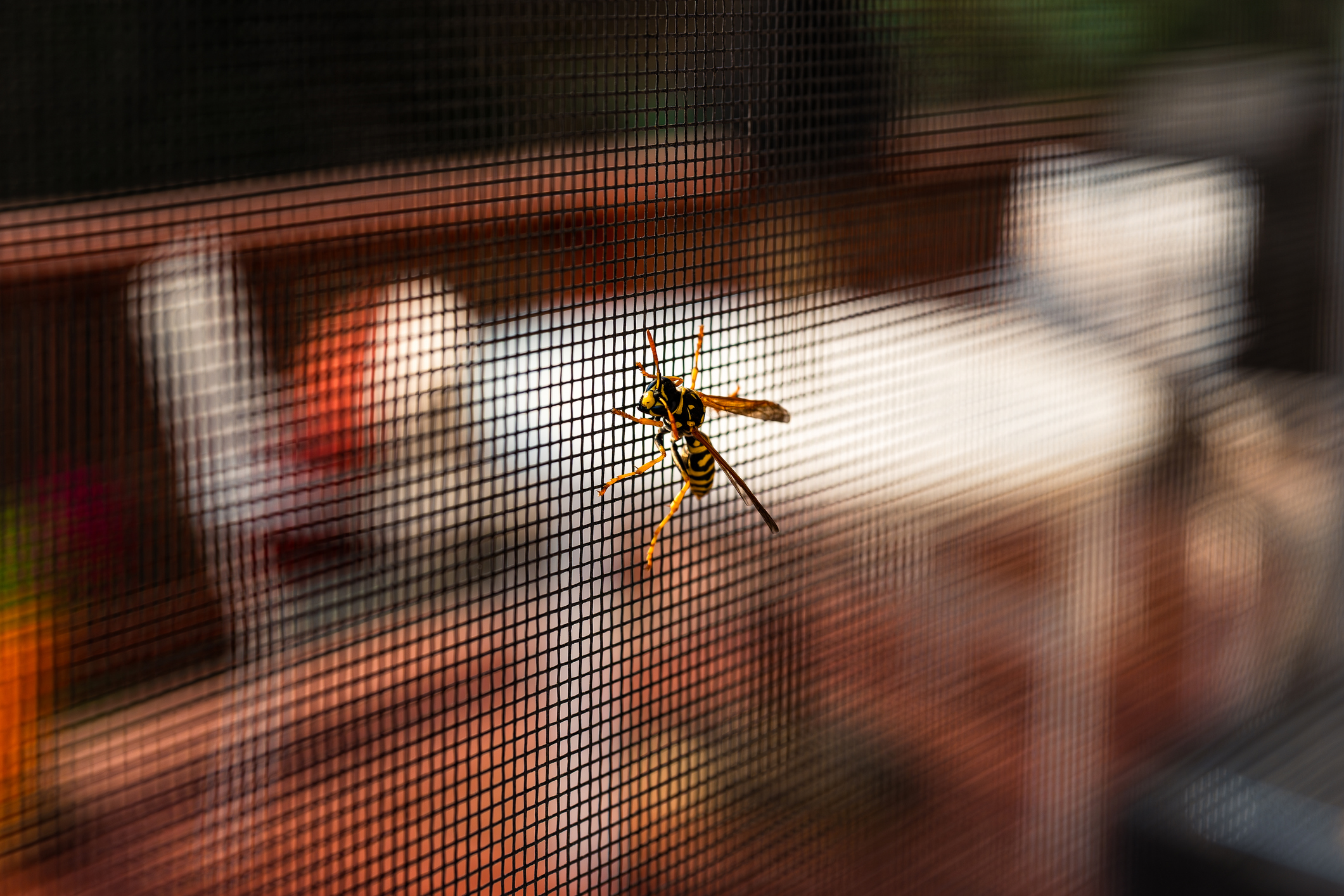
A Folsom homeowner recently contacted me after noticing wasps repeatedly flying toward the side of the house. The activity was close to a walkway used by the family and their dog, so they were understandably concerned about someone being stung.
The homeowner could see several wasps entering and leaving the same general area, but the nest itself was not visible. They had wisely avoided spraying the opening or trying to seal it.
When I arrived, I watched the flight pattern from a safe distance. Consistent traffic to one location usually provides a useful clue, but identifying the insect and the nest location is important before deciding how to proceed.
The Problem
The wasps were entering a protected opening near an exterior utility line. The opening led into a concealed space, which explained why the homeowner could not see an exposed nest.
Several conditions made this situation especially concerning:
The entry point was beside a frequently used walkway.
Children and a dog regularly passed through the area.
The nest was concealed rather than openly visible.
The wasps became defensive when people approached the wall.
Sealing the opening immediately could have forced the insects toward another exit.
This is where many do-it-yourself attempts go wrong. When an active opening is sealed before the colony has been addressed, wasps may search for another way out. Depending on the nest location, that new route can potentially lead toward an indoor space.
The Process
My first step was to identify the activity and establish a safe working area. I asked the homeowner to keep family members and pets away from that side of the property while I completed the service.
I then treated the qualifying nest area using an appropriate professional method based on its location and the observed activity. Concealed nests require a careful approach because randomly spraying the exterior surface may not reach the active area.
After treatment, I monitored the entry point and explained what the homeowner should expect. Some returning activity can occur temporarily because foraging wasps may be away from the nest when the service is performed.
I also advised the homeowner not to seal the opening until we were confident that the activity had stopped. Once the area was inactive, the gap could be properly closed to reduce the chance of another colony using it.
The Outcome
At follow-up, the homeowner reported that the regular flight activity had stopped. We checked the area again and did not observe wasps entering or leaving the opening.
Once the location was inactive, the opening was ready to be sealed as part of the homeowner’s exterior maintenance.
The family was relieved because they could use the walkway again without having wasps flying at head height. More importantly, the problem was handled without pushing the insects deeper into the structure.
"It's brighter than before!"
— Megan
DIY Advice
Here are the wasp-prevention and safety tips I give homeowners:
Watch wasp activity from a safe distance.
Keep children and pets away from a suspected nest.
Do not strike, shake or disturb an active nest.
Do not block an active entry hole before the colony is addressed.
Keep outdoor trash containers closed and clean.
Rinse sugary drink spills around patios and outdoor kitchens.
Inspect eaves, fences, sheds and play structures regularly.
Seal suitable exterior gaps after confirming they are inactive.
Avoid using ladders near elevated nests.
Contact a professional when a nest is concealed, elevated or near a busy area.
If anyone near the property has a known allergy to insect stings, take the situation seriously and avoid approaching the nest.
Professional Insight
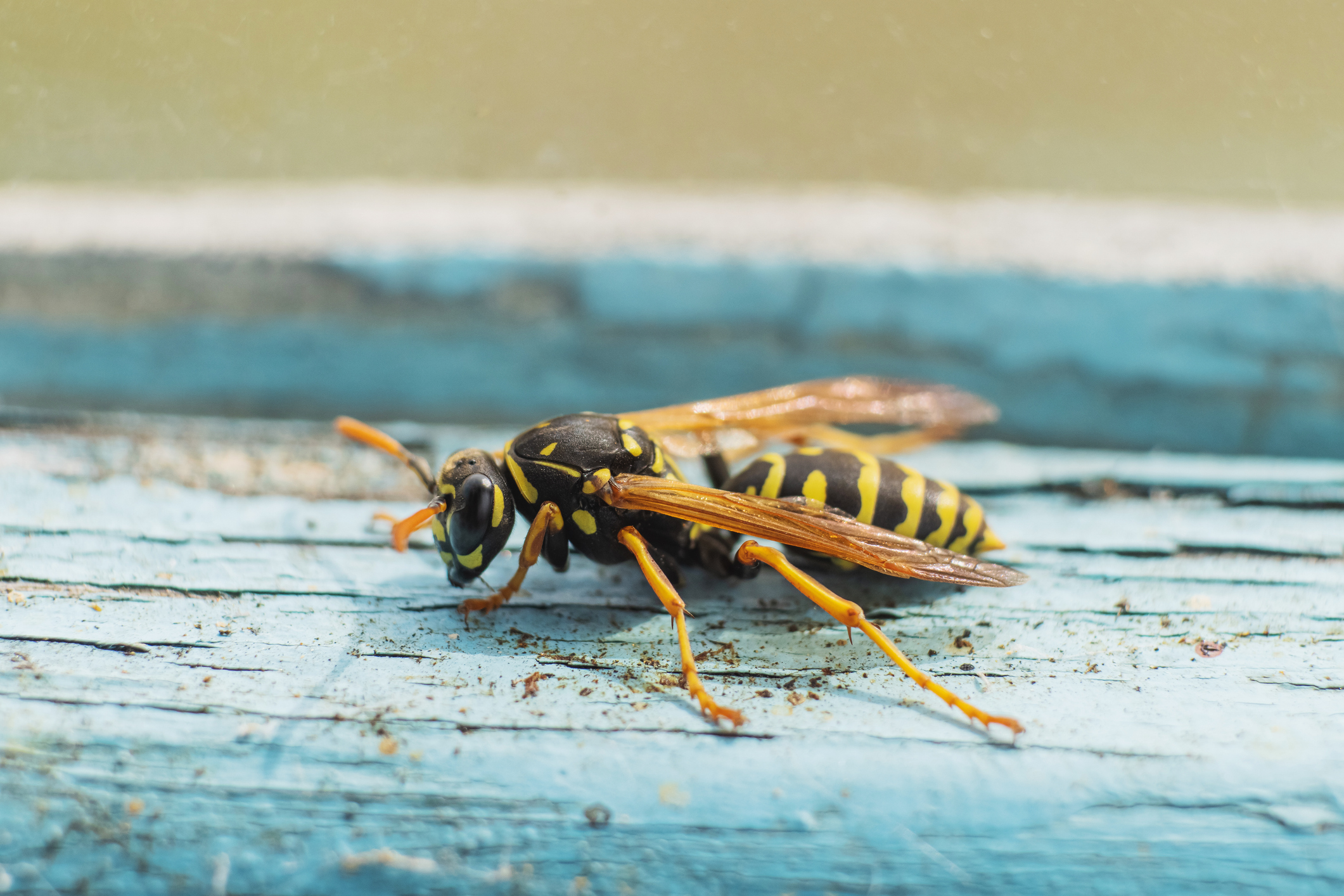
People often use the words bee, hornet, yellowjacket and wasp interchangeably, but these insects do not all behave the same way. Correct identification affects how the situation should be handled.
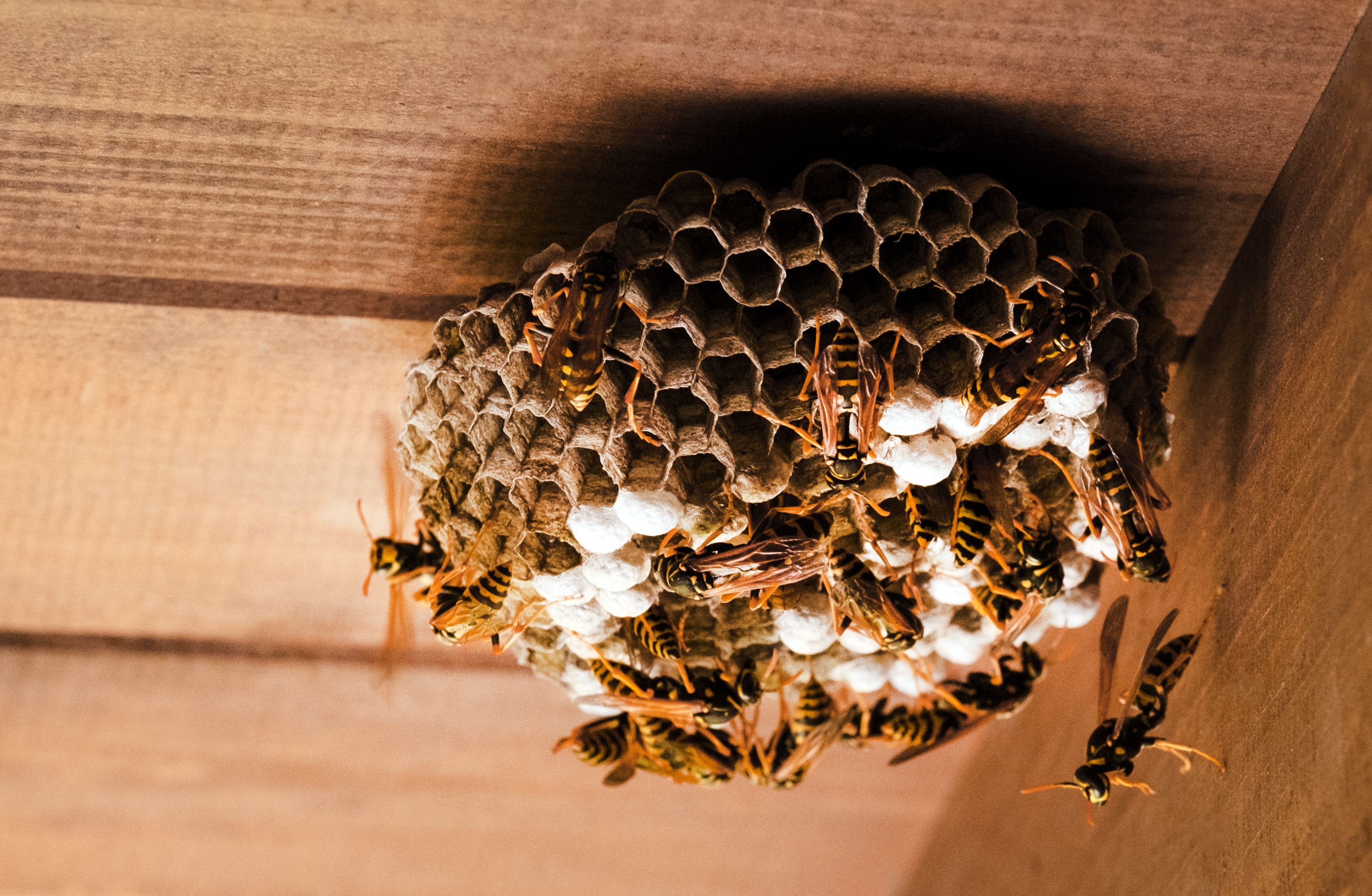
Open paper nests beneath eaves are different from concealed colonies inside walls or underground nests beside landscaping. The location, species, activity level and risk to people all matter.
Late summer can be an especially active period for stinging insects around Folsom properties. Colonies may be larger, and workers may become more noticeable around food, drinks and outdoor gathering areas.
If you see regular traffic entering the same opening, treat that as a sign of a possible nest—not just a few insects passing through.
Closing Thoughts
What stood out about this recent job was that the homeowner made a smart decision before I arrived: they left the opening alone.
Trying to seal it or spray it without understanding the nest location could have created a more complicated problem. By watching the activity and calling before someone was stung, the homeowner gave us the opportunity to handle it carefully.
If wasps are repeatedly entering the same place around your home, give them space and keep people away from the area. I would rather inspect a suspected nest early than arrive after someone has been injured.
– Rick
Stay safe, stay connected, and take good care of your home this month.
– Thomas
Owner, Thomas & Sons Electrical Contractors
Address
785 Orchard Dr #250, Folsom, CA 95630, United States
Contact Us
Call: +1 916-866-7472
Follow Us

© 2025 Ace Ventura Pest & Wildlife Control. All rights reserved.